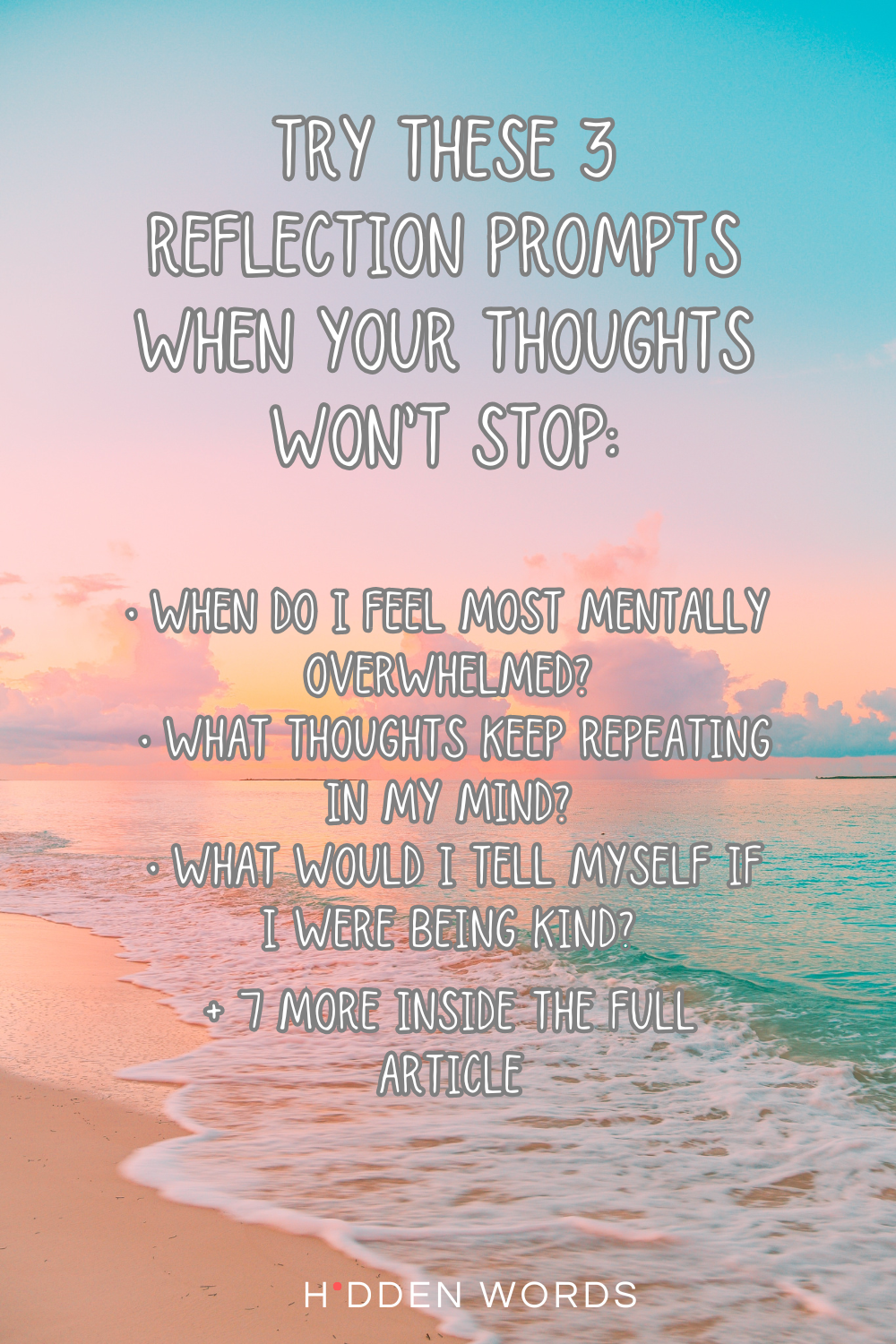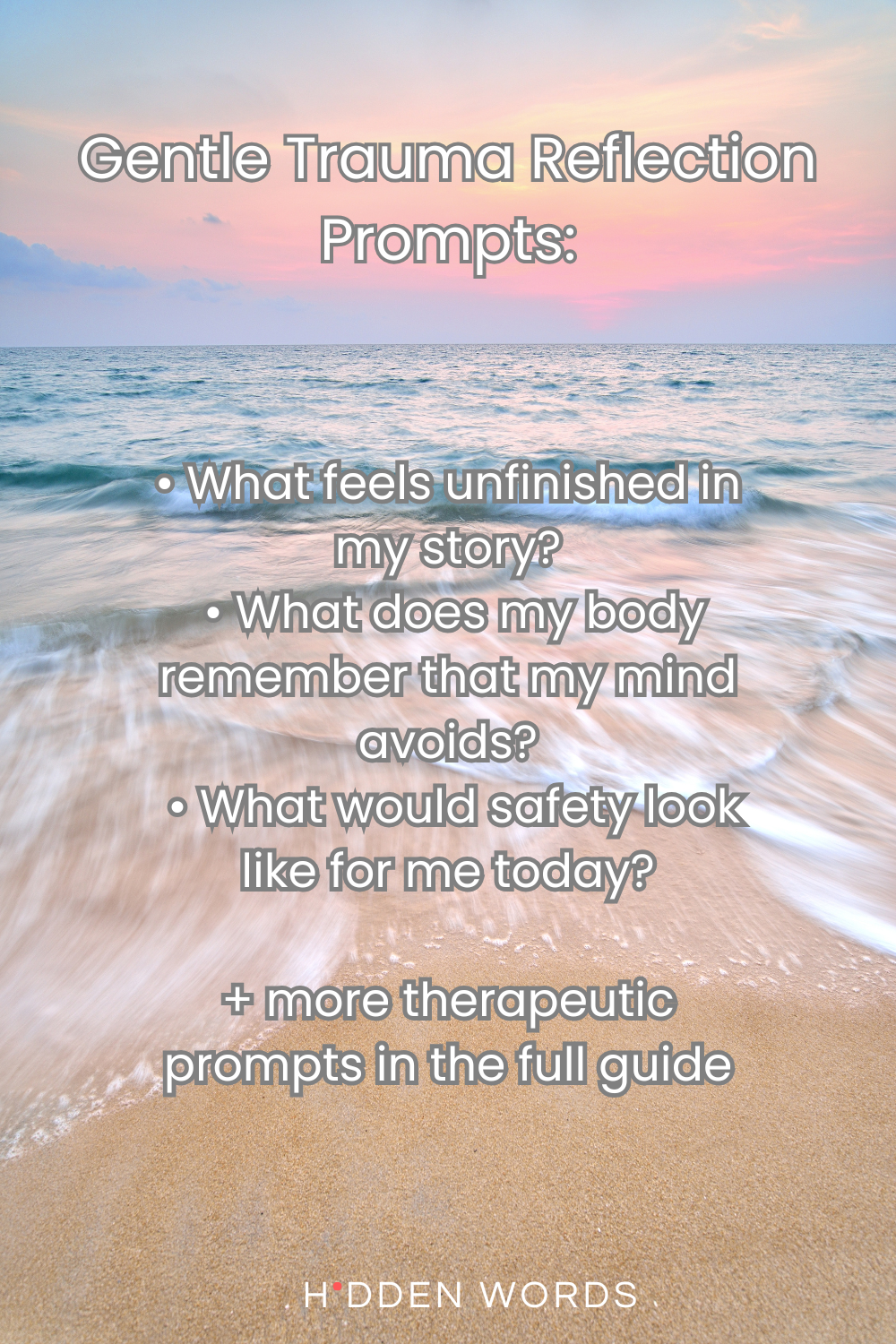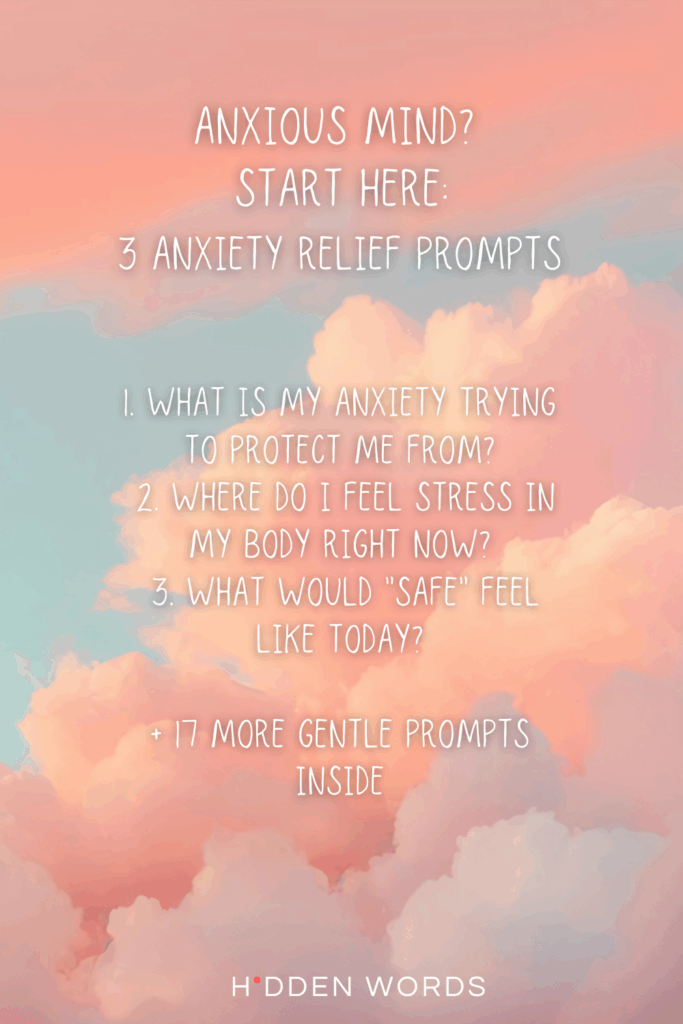

Deep journal prompts for letting go are not about forcing emotions to disappear. They are about giving unspoken feelings a safe place to exist.
There are emotions we speak about easily.
And then there are the ones that settle quietly inside us.
The words we swallowed.
The reactions we softened.
The tears we postponed because it “wasn’t the right moment.”
This article is not written from a therapist’s chair.
It’s written from a desk with a slightly worn notebook, from someone who has also learned—slowly—that unspoken emotions don’t disappear. They wait.
Over time, I realized that journaling became the place where those waiting feelings could finally breathe. Not dramatically. Not all at once. But gently.
If you’ve been carrying emotions you never fully expressed—this is for you.
Why Unspoken Emotions Stay With Us
Unspoken emotions aren’t weak.
They’re usually protective.
Sometimes we stay silent to keep peace.
Sometimes we silence ourselves to stay loved.
Sometimes we simply don’t yet have language for what we feel.
And sometimes we learned very early that expressing certain emotions created distance, tension, or disapproval. So we adapted. We became agreeable. Calm. Low-maintenance. Strong.
But what isn’t expressed doesn’t dissolve. It lingers in the body, in our tone, in the way we hesitate before speaking. It shows up as tight shoulders, unexplained irritability, emotional numbness, or sudden tears that don’t seem to match the moment.
Journaling helped me understand something important:
Letting go is rarely about forcing release. It’s about creating space for truth.
And writing creates that space.
When emotions move from being locked inside your chest to being visible on paper, something shifts. They become something you can look at—not something that silently controls you.
If you’re new to reflective writing, you may want to begin by understanding what therapeutic writing really means.

The Emotional Weight of Silence
Silence can look mature from the outside.
It can look like composure.
But inside, it can feel heavy.
Unspoken emotions often carry unfinished conversations. Words we rehearsed in our minds but never delivered. Apologies we didn’t receive. Explanations we never got. Boundaries we didn’t enforce.
Over time, that emotional backlog can turn into:
- resentment we don’t fully understand
- distance in relationships
- self-doubt about whether our feelings are “valid”
- emotional exhaustion without a clear reason
I’ve noticed that when I ignore certain feelings long enough, they don’t disappear—they change shape. Anger becomes sarcasm. Hurt becomes withdrawal. Fear becomes control.
Writing helps interrupt that transformation. It allows the original emotion to exist in its honest form before it hardens into something else.
Sometimes silence turns into emotional distance — something I explored more deeply in The Weight of Silence.
Can Journaling Help You Let Go?
Writing prompts are especially useful during moments when free writing feels I don’t believe journaling “fixes” emotions.
But I do believe it helps us meet them.
When you write without needing to impress, explain, or justify yourself, something shifts. The emotion moves from being trapped inside you to being witnessed on paper.
That witnessing matters.
There’s a quiet difference between thinking about a feeling and writing it down. When it stays in your mind, it loops. When it reaches the page, it begins to unfold.
Sometimes I start writing about anger and realize it’s actually disappointment.
Sometimes I write about disappointment and discover grief underneath.
Journaling slows the emotional process down enough for clarity to emerge.
You don’t need to write beautifully.
You don’t need to write coherently.
You only need honesty.
If an emotion feels overwhelming, you can always pause. Stopping is part of self-respect. Writing is not about pushing through resistance—it’s about listening to it.
I later came across research on expressive writing suggesting that giving emotions language may help the mind process them more gently over time. It felt reassuring to know that something so simple — putting words on paper — can create small but meaningful shifts.
If you’re wondering whether writing alone is enough, I shared more reflections in Journaling vs Therapy.

Signs You May Be Carrying Unspoken Emotions
You don’t have to relate to all of these. Even one may be enough:
- You replay certain conversations long after they happened.
- You feel tension around specific people but can’t explain why.
- You struggle to say “no” even when you want to.
- You minimize your own hurt because “others have it worse.”
- You feel emotionally tired without a clear cause.
- You often say “it’s fine” when it isn’t.
Unspoken emotions don’t make you dramatic.
They make you human.
And acknowledging them is not selfish—it’s honest.
How to Use These Deep Journal Prompts
Before you begin:
- Choose a quiet moment if possible.
- Let yourself write imperfectly.
- Stop if something feels too intense.
- Return later if needed.
- Drink water. Breathe. Ground yourself if emotions rise.
You don’t have to answer all 50 prompts. Even one can open a door.
You can:
- Answer one prompt per day.
- Choose randomly and see what surfaces.
- Rewrite a prompt in your own words.
- Return to the same prompt weeks later and notice what changed.
There is no right way to release emotion. There is only your way.


50 Deep Journal Prompts for Letting Go of Unspoken Emotions
About Words You Never Said
- What is something I wanted to say but didn’t? Why did I stay silent?
- If I could speak without consequences, what would I finally express?
- Who have I been protecting with my silence?
- What emotion did I hide the last time I said “I’m fine”?
- What conversation still replays in my mind?
- If I could rewrite one moment honestly, what would I say differently?
- What am I afraid would happen if I spoke my truth?
- Where did I learn that my feelings should be minimized?
- What part of me feels unheard?
- What does my silence say about what I need?
About Anger You Suppressed
- What am I still angry about but pretend not to be?
- When did I start believing anger was unacceptable?
- What boundary was crossed that I never acknowledged?
- If my anger could speak, what would it ask for?
- Who taught me that “being calm” is more important than being honest?
- What happens in my body when I suppress frustration?
- What would healthy anger look like for me?
- What am I afraid anger will turn me into?
- What is the difference between anger and cruelty in my life?
- How can I honor anger without harming myself or others?
About Grief That Was Never Fully Felt
- What loss did I move past too quickly?
- What did I not allow myself to mourn?
- If I gave myself permission to grieve now, what would surface?
- What do I miss that I pretend I’ve accepted?
- What part of me changed after that loss?
- What did I need during that time but didn’t receive?
- If I could sit with that version of myself, what would I say?
- What memory still feels tender?
- What am I afraid will happen if I open that grief again?
- What would healing—not forgetting—look like?
About Shame and Unspoken Self-Doubt
- What do I feel ashamed of but rarely admit?
- Whose voice echoes in my self-criticism?
- What expectation feels impossible to meet?
- What would compassion say to the part of me that feels inadequate?
- When do I feel “too much” or “not enough”?
- What story do I tell myself about my worth?
- What belief about myself is ready to be questioned?
- What would I confess if I knew I wouldn’t be judged?
- What am I trying to prove—and to whom?
- What part of me needs forgiveness?
About Letting Go and Moving Forward
- What am I still emotionally holding onto?
- What would it mean to release it?
- What fear keeps me attached?
- Who would I be without this emotional weight?
- What does closure mean to me?
- What would self-respect choose in this situation?
- What boundary do I need to set now?
- What lesson can I keep without carrying the pain?
- What does emotional freedom feel like in my body?
- What small step toward release can I take this week?

When Letting Go Feels Impossible
Letting go doesn’t always look like peace.
Sometimes it looks like:
- crying longer than you expected,
- admitting something hurt more than you allowed,
- realizing you stayed silent to survive.
And that’s okay.
In my own writing practice, I’ve learned that release happens in layers. The first time I write about something, I’m still defending myself. The second time, I’m a little softer. The third time, I begin to understand.
Some emotions need repetition. They need to be written about multiple times before they loosen their grip.
Not everything needs dramatic closure.
Sometimes we just need truth.
The Difference Between Avoiding and Releasing
Avoiding says:
“I don’t want to feel this.”
Releasing says:
“I am willing to feel this, and then let it move.”
Avoidance creates pressure.
Release creates space.
There is a quiet bravery in choosing to write about what you’ve never spoken aloud.
And there is dignity in stopping when it becomes too much.
Writing is not about tearing yourself open.
It’s about opening gently—and closing gently too.
Creating a Safe Writing Ritual
If you’re working with deeper emotions, consider creating a small ritual around your journaling:
- Light a candle.
- Play instrumental music.
- Set a 10–15 minute timer.
- End by writing one grounding sentence like:
“I am safe in this moment.”
You might also choose to physically close your journal after writing and place it somewhere intentional. This symbolic closing can signal to your nervous system that the emotional exploration has a boundary.
Letting go isn’t chaos. It can be structured, kind, and contained.


“What came of it?”
Lizy, from an upcoming novel
“A flood of memories and long-suppressed emotions.
The feeling of release slowly wove itself into my life —
and yet I stood still, waiting for a miracle.”
How to Know a Deep Journal Prompt Is Working
These deep journal prompts for letting go are not about emotional perfection. They are about honest release.
Sometimes it leads to discomfort.
Sometimes it leads to silence.
Sometimes it leads to a single sentence that feels unfinished — but true.
When you’re using journal prompts for letting go of unspoken emotions, “working” doesn’t mean breakthrough. It means awareness.
A prompt is working when it helps you notice something — even if that something is resistance.
You might notice:
- a subtle shift in your breathing
- tension in your chest you hadn’t named before
- a memory surfacing unexpectedly
- a sentence that feels honest but unfamiliar
- an emotion that doesn’t need to be justified
Deep journaling isn’t measured by how much you write.
It’s measured by whether you remain connected to yourself — even briefly.
If a prompt makes you pause, that pause matters.
If it makes you uncomfortable, that discomfort may be pointing toward truth.
If it brings up nothing but silence, that silence might be protecting something that isn’t ready yet.
And that’s okay.
You Don’t Have to Use All 50 Journal Prompts
Fifty deep journal prompts for emotional release might sound like a lot.
You don’t have to move through them quickly.
You don’t have to complete them in order.
You don’t have to “finish” them at all.
Sometimes a single journaling prompt for letting go stays with you for days.
Sometimes you return to the same question again and again — and it opens differently each time.
Emotional release is rarely linear.
A healing writing practice isn’t about completion.
It’s about returning — gently, consistently, and without forcing clarity before it’s ready.
You are not behind.
You are not doing it wrong.
You are simply moving at the pace your nervous system can hold.
And that pace deserves respect.
A Gentle Reminder
These prompts are invitations, not obligations.
If a question feels too sharp, skip it.
If something unexpected surfaces, pause.
If you realize you might need deeper support, reaching out to a qualified professional is a sign of strength—not failure.
Journaling can complement therapy. It can support emotional processing. But it doesn’t replace personalized care.
You deserve safety in your healing.
Closing Reflection: Your Emotions Deserve Space
Unspoken emotions often carry stories we’ve never validated.
When you write them down, even imperfectly, you send yourself a message:
“My inner world matters.”
You don’t need a dramatic breakthrough.
You don’t need to solve your past in one sitting.
You only need a pen, a page, and a willingness to listen.
If you try one of these prompts, begin slowly. Notice your breath. Notice your body.
Letting go is rarely about forgetting.
It’s about finally allowing yourself to feel what was never given space—and trusting that you can survive the feeling.
If you’ve been carrying something silently for a long time, this may be your moment to loosen your grip—not all at once, but one honest sentence at a time.
You are not alone in your quiet emotions.
And you are allowed to release them, gently.
Frequently Asked Questions About Deep Journal Prompts for Letting Go
If you’re at the very beginning of your journey, you might want to start with:
→ Why I Started Writing to Heal
Next read soon:
→ 42 Journal Prompts for Emotional Burnout and Silent Exhaustion
Save on Pinterest: